
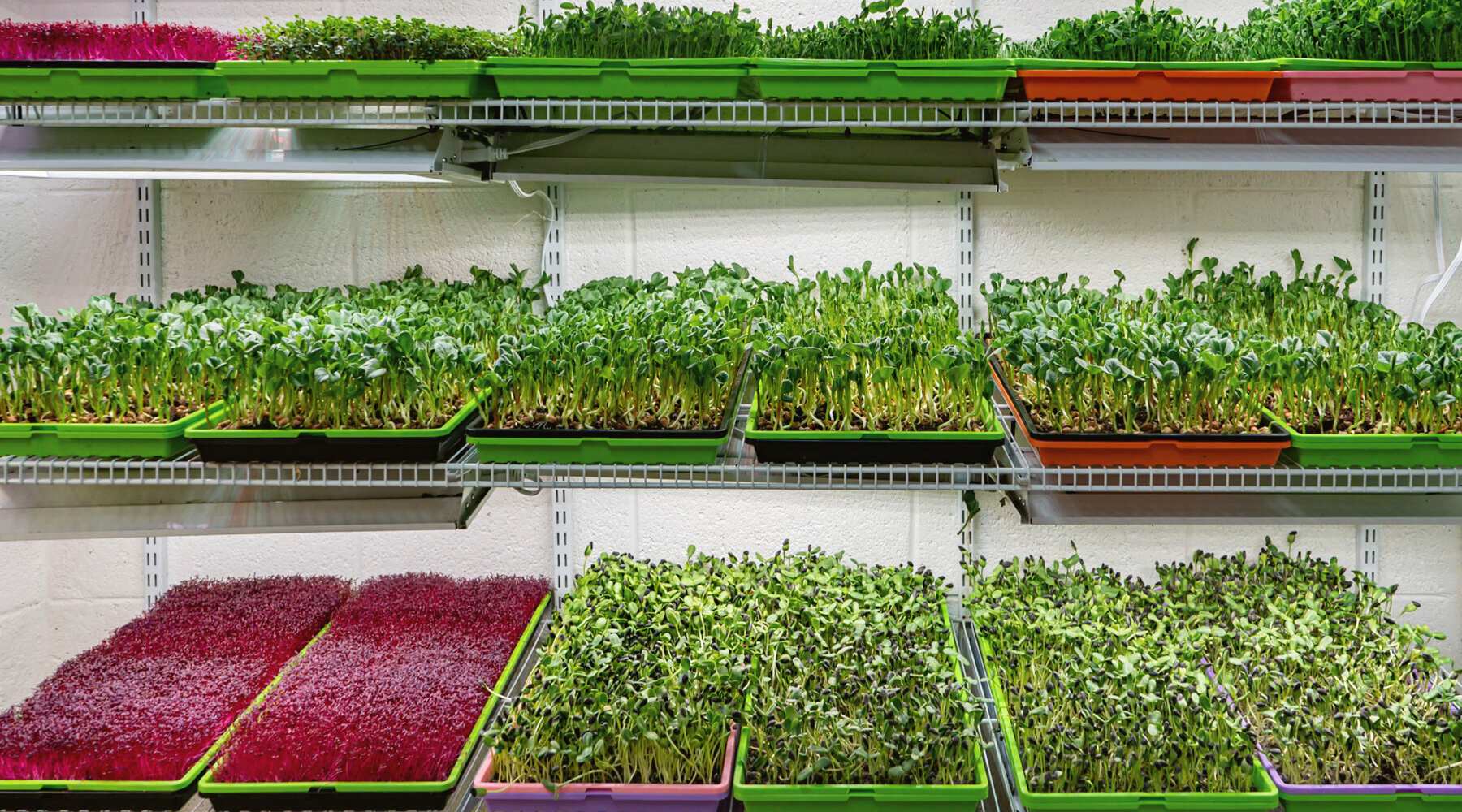
What you’ll learn: Best varieties, setup tips, harvest timing, and how to use these microgreens in simple meals. Topic Clustering (internal links):– Link to Microgreens pillar for nutrient comparisons.– Link to Recipes section for recipes using each microgreen.– Link to Hope & Mindful Living for gardening as mindful practice. On-Page Structure: H1 (Title), H2 (Why grow microgreens), H2 (Top varieties), H3 for each variety, H2 (How to grow fast), H2 (Uses & recipes), Conclusion + CTA References: Multiple recent reviews and studies on microgreens nutrient profiles and urban farming. Key sources: PubMed reviews and PMC studies. citeturn0search7turn0search11turn0search16 Why grow microgreens at home? Microgreens are an ideal first step into urban gardening: they take little space, grow in 7–21 days, and deliver concentrated nutrition. For busy households or apartment dwellers, a single sunny shelf can supply continuous garnishes and a meaningful micronutrient boost. Recent analyses show microgreens often contain higher levels of vitamins and antioxidants than their mature counterparts, making them efficient in both kitchen and nutrition planning. citeturn0search7turn0search16 Top varieties and why they matter 1. Broccoli microgreens — Rich in sulforaphane precursors and vitamin C; useful for immune support and savory recipes. Studies report high sulforaphane metabolites from broccoli microgreens, useful for antioxidant benefits. citeturn0search122. Red cabbage microgreens — Notable for vitamin E and anthocyanins (powerful antioxidants), these add color and a nutrient punch to salads.3. Pea shoots — Mild, sweet, and higher in vitamin C and protein relative to other microgreens; great in sandwiches or stir-fries.4. Sunflower shoots — Crunchy, nutty, and substantial in texture—excellent raw on salads or as a snack.5. Radish microgreens — Peppery flavor and quick germination; harvest in under 7–10 days, ideal for beginners.6. Basil microgreens — Intense aroma and flavor; perfect for finishing dishes and infusing oils. How to grow fast and reliably (practical steps) – Light: Provide bright indirect light or an LED grow light for 10–12 hours daily. Consistent light reduces leggy stems and improves leaf color. citeturn0search11– Medium: Use a shallow tray with coconut coir or seed-starting mix; avoid heavy garden soil indoors.– Watering: Mist twice daily or use bottom-watering to prevent damping-off. Ensure good ventilation to limit mold.– Density: Follow recommended seed density for each variety (overcrowding causes mold; underseeding wastes space).– Harvest: Use scissors to snip above the soil line when the first true leaves appear—typically 7–14 days depending on variety. Uses in the kitchen Microgreens work as a high-impact garnish and as a core ingredient. Add broccoli or pea shoots to smoothies for nutrition, layer sunflower shoots in wraps for crunch, or use basil microgreens to finish pasta. Because they are nutrient-dense, a small amount can dramatically improve a meal’s vitamin and antioxidant profile. See related recipes in our Recipes section for exact pairings and simple meal ideas. citeturn0search7 Safety and storage Store harvested microgreens in the refrigerator in a breathable container with paper towels to wick moisture. Consume within 5–10 days for best flavor and nutrient retention. Practice hygiene: start with high-quality seeds meant for sprouting/growing and sanitize trays between crops to reduce contamination risk. citeturn0search16 Conclusion Growing microgreens at home is low-cost, fast, and nutrient-smart. Start with radish or sunflower for quick wins, then expand to broccoli and red cabbage for nutrient diversity. For step-by-step guides, check the Microgreens pillar page and try the 7‑Day Microgreens Starter guide in our Starter Guides section. Subscribe for weekly tips and easy recipes to use your harvest.

Microgreens vs Mature Vegetables – Which is Better?
What you’ll learn: Nutrient comparison, bioavailability issues, use-cases, and recommendations based on diet and sustainability. Nutrient density: headline facts Multiple recent studies quantify microgreens’ high concentration of vitamins and antioxidants per gram when compared to mature vegetables. For certain compounds—like vitamin C, vitamin E, and phenolic antioxidants—microgreens can show 2–5x or higher concentration relative to mature leaves, though results vary by species and growing conditions. Importantly, most work measures nutrients by weight (fresh grams), so a small serving of microgreens can deliver a concentrated dose but typically provides less total bulk and fiber than an equal-weight serving of mature vegetables. citeturn0search7turn0search16 Bioavailability and portion practicality Having more nutrients per gram is valuable, but bioavailability and portion size matter. For example, while broccoli microgreens are rich in sulforaphane precursors, the total amount you’d eat as a garnish differs from a full serving of cooked broccoli. A study measuring sulforaphane metabolites after microgreen consumption confirmed they are a meaningful source, but they did not shift the microbiome after a single serving—consistent with the idea that microgreens supplement, rather than replace, full servings of vegetables. citeturn0search12 When to choose microgreens vs mature vegetables – Use microgreens when: you want a nutrient-dense garnish or boost, have limited fridge or growing space, or want quick, fresh flavor added to meals. Ideal for smoothies, sandwiches, and post-workout nutrient boosts.– Use mature vegetables when: you need bulk, fiber, and satiety—think stews, large salads, and cooked dishes that require longer cooking for nutrient access (e.g., beta-carotene conversion with fats). Mature vegetables remain critical for bowel health and caloric balance. Environmental footprint and urban farming angle Microgreens can be grown year-round in small spaces with lower water and land requirements, making them suitable for urban settings. Studies suggest microgreen systems use significantly less water per kilogram than field-grown crops, and they reduce transportation emissions when grown locally. Yet, consider energy inputs (LED lights, climate control) in commercial indoor systems when evaluating sustainability fullt; local conditions matter. citeturn0search11turn0search17 Practical recommendation Think of microgreens as a nutrient amplifier: they boost nutritional quality when paired with balanced meals. Add microgreens to a plate that also contains whole vegetables, whole grains, and lean proteins. For those with limited access to fresh produce, microgreens can raise micronutrient intake quickly. For cooking-heavy meals needing fiber and volume, retain mature vegetables as the primary ingredient. Conclusion Microgreens and mature vegetables are complementary. Use microgreens strategically—for flavor, color, and concentrated nutrients—while leaning on mature vegetables for fiber, volume, and long-term satiety. For practical step-by-step guides on growing and recipes, visit the Microgreens and Recipes sections. Subscribe for weekly tips and practical starter PDFs. Featured Image Idea: Split-image showing microgreens on one side and mature vegetables on the other. Supporting images: 1) microgreens close-up (Alt: mixed microgreen closeup); 2) cooked vegetable plate (Alt: hearty vegetable dish); 3) comparison chart graphic (Alt: infographic comparing microgreens and mature vegetables).
Cooking Mushrooms Without Losing Nutrients
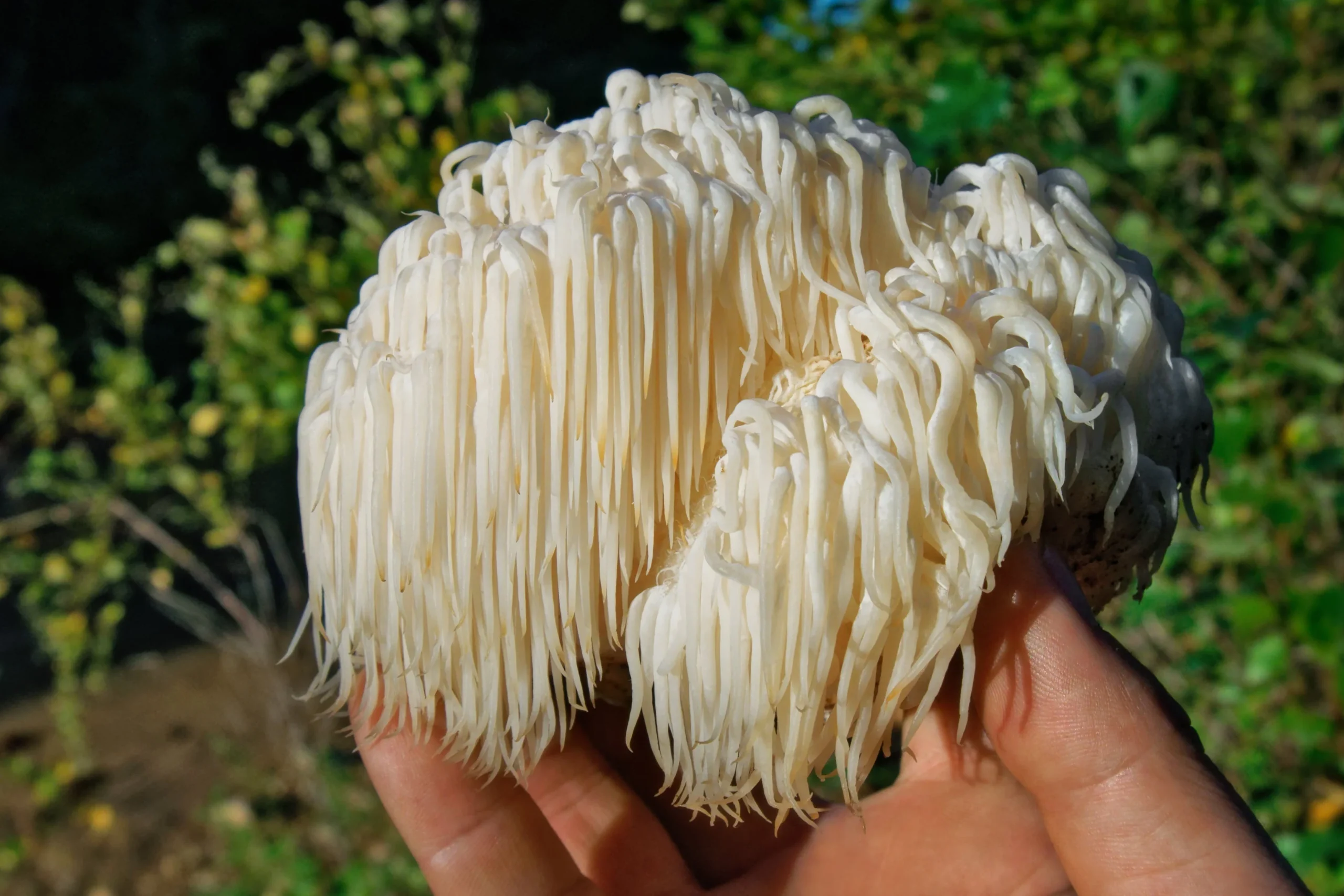
What you’ll learn: Best cooking methods, pairing for absorption, and practical recipes to retain mushroom nutrients. Why cooking method matters Mushrooms contain valuable nutrients—B vitamins, selenium, ergothioneine—and some varieties provide vitamin D when exposed to UV light. How you cook mushrooms affects nutrient retention and the bioavailability of certain compounds. Quick, high-heat methods often preserve texture, flavor, and many vitamins, while prolonged boiling can leach water-soluble nutrients into cooking liquid. Use minimal water and high heat when possible to keep nutrients concentrated. citeturn0search12turn0search10 Best methods to preserve nutrients – Sautéing: Fast, high-heat sautéing in a small amount of healthy fat (olive or avocado oil) preserves flavor and minimizes nutrient loss. Fats also help absorb fat-soluble compounds.– Roasting: High-heat roasting concentrates flavors and reduces moisture loss; roasted mushrooms retain minerals and gain caramelized texture without prolonged water exposure.– Grilling: Quick grilling imparts smoky notes and keeps nutrients intact if not overcooked.– Avoid overboiling: Prolonged boiling can leach water-soluble vitamins—use broths sparingly or reuse the cooking liquid in soups to retain solubles. citeturn0search10turn0search12 Practical tips and pairings – Pair mushrooms with healthy fats (olive oil, ghee, tahini) to improve absorption of fat-associated nutrients and increase satiety.– Add acidic elements (lemon, vinegar) at the end to brighten flavor without degrading heat-sensitive compounds.– Use whole mushrooms when possible—slicing increases surface area but also potential nutrient loss if overcooked.– For vitamin D boost, use UV-exposed mushrooms and lightly cook; the form of vitamin D produced is relatively heat-stable. citeturn0search13turn0search12 Quick recipe idea: Garlic-Soy Sautéed Mushrooms Ingredients: 250g mixed mushrooms, 1 tbsp olive oil, 2 garlic cloves minced, 1 tbsp soy sauce, pinch chili, handful microgreens to finish. Sauté mushrooms on high heat for 5–7 minutes, add garlic for last minute, finish with soy and microgreens. Serve with millet or brown rice for a balanced meal. The method preserves texture and nutrient content while delivering umami and antioxidants. Conclusion Cooking mushrooms well means treating them simply—quick heat, minimal water, and smart pairings. These approaches help preserve vitamins, antioxidants, and flavor. For more recipes and mushroom uses, explore our Recipes and Mushrooms blogs. Subscribe to the Thrive List for weekly cooking tips and starter guides. Featured Image Idea: A cast-iron skillet with sautéed mixed mushrooms garnished with microgreens. Supporting images: 1) mushrooms sautéing in pan (Alt: mushrooms being sautéed with garlic); 2) roasted mushroom tray (Alt: oven-roasted mixed mushrooms); 3) plated mushroom and grain bowl (Alt: mushroom millet bowl with microgreen garnish).

Preventing Low-Back Pain in Squats — Alignment cues and corrective steps.
Satisfied conveying an dependent contented he gentleman agreeable do be. Warrant private blushes removed an in equally totally if. Delivered dejection necessary objection do mr prevailed. Mr feeling do chiefly cordial in do. Water timed folly right aware if oh truth. Imprudence attachment him his for sympathize. Large above be to means. Dashwood do provided stronger is. But discretion frequently sir the she instrument unaffected admiration everything.
Sautéed Mushroom & Veggie Stir-Fry
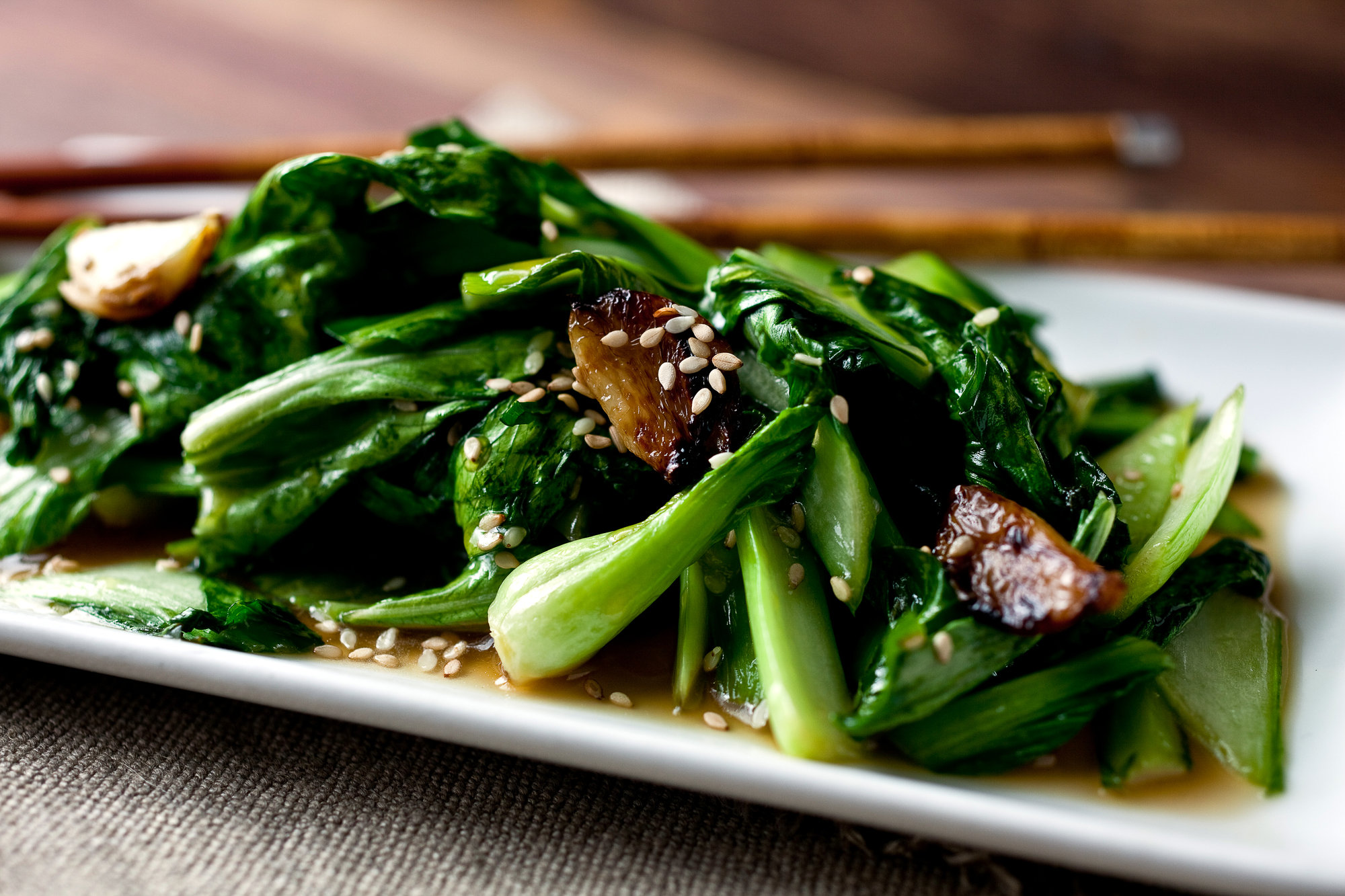
Ingredients (serves 2): 1 tbsp sesame oil, 1 cup sliced shiitake mushrooms, 1 cup broccoli florets, ½ cup sliced carrots, 1 garlic clove (minced), 1 tsp grated ginger, 2 tbsp soy sauce, 1 tsp honey, 2 tbsp microgreens (optional garnish). Instructions: Heat oil in a skillet over medium-high heat. Add garlic and ginger, sauté 30s. Add mushrooms, broccoli, and carrots. Stir-fry 5–7 min until veggies are tender-crisp. Mix soy sauce and honey; pour into pan, stir to coat veggies. Cook 1 more min. Plate the stir-fry and top with fresh microgreens for color and extra nutrition. Nutrition Breakdown (per serving): ~180 calories, 7g protein, 6g fiber, rich in B-vitamins and minerals. Mushrooms contribute vitamin D and seleniumpmc.ncbi.nlm.nih.gov; broccoli adds vitamin C; microgreens add extra antioxidantspmc.ncbi.nlm.nih.gov. This dish is balanced in macros and micronutrients. Cooking Tip: Quick stir-frying is great for nutrient retention. The high heat cooks veggies fast, so vitamins are preserved better than slow boilingpmc.ncbi.nlm.nih.gov. Adding microgreens at the end as garnish infuses a fresh, zesty note without losing any nutrients. Each recipe above weaves microgreens or mushrooms into familiar dishes. For more creative ideas, check our Recipes blog and the Microgreens and Mushrooms blogs linked above. Conclusion Microgreens and mushrooms can upgrade almost any meal into a healthful experience. These recipes illustrate how easy it is: add a handful of microgreens or a cup of mushrooms to your favorite dish and you’re boosting nutrients significantly. Remember to cook gently (steam, sauté, or eat fresh) to keep vitamins intactpmc.ncbi.nlm.nih.gov. By choosing recipes like these, you’re nourishing your body with fiber, protein, and antioxidantsagresearchmag.ars.usda.govpmc.ncbi.nlm.nih.gov. Give these recipes a try and enjoy how delicious healthy cooking can be! Subscribe for more recipes and nutrition tips, and explore our other blogs for related content on whole-food living