

What you’ll learn: How mindfulness and meditation positively change the brain. Simple practices (gratitude, self-compassion) backed by psychology. Ways to build emotional resilience and cope with stress. The importance of purpose, hope, and self-care for mental health. In our busy world, cultivating hope and mindfulness can dramatically improve mental health. Studies show over 1 billion people worldwide experience mental health conditionswho.int, so learning tools to cope is critical. Research from neuroscience and psychology offers clear guidance: practices like meditation, gratitude, and finding purpose actually rewire our brains and boost resiliencepmc.ncbi.nlm.nih.govpmc.ncbi.nlm.nih.gov. Here’s how to apply these insights in daily life. Practice Mindfulness Every Day Mindfulness means paying full attention to the present moment without judgment. This simple act can quiet a racing mind. Neuroscience research finds that regular mindfulness meditation “improves emotional regulation and brain structure, reduces anxiety, and enhances stress resilience”pmc.ncbi.nlm.nih.gov. In practical terms, meditating even 5–10 minutes daily can increase thickness in brain regions that handle emotions and lower the stress-reactive amygdalapmc.ncbi.nlm.nih.gov. Try this basic mindfulness exercise: sit quietly, focus on your breath, and notice each inhale and exhale. When thoughts come, gently bring attention back to breathing. Over weeks, many people report feeling calmer and more focused. Mindful walking (attending to each step and sensation of movement) or mindful eating (savoring each bite of food) apply the same principle. Even brief pauses during the day to breathe mindfully reduce stress hormones and build emotional resilience. Cultivate Gratitude and Positive Thinking Gratitude practice is another evidence-based way to boost well-being. Writing down 3 things you’re thankful for each morning or simply reminding yourself of positives can shift mindset over time. Studies in positive psychology show grateful people sleep better and handle challenges more calmly. This is linked to positive emotions fueling resilience: having a grateful perspective helps people adapt in adversitypmc.ncbi.nlm.nih.govpmc.ncbi.nlm.nih.gov. Combine mindfulness with gratitude: try a short meditation where you focus on someone or something you appreciate. Notice the feelings of warmth this brings. Over time, these practices can rewire neural pathways toward optimism and reduce rumination. Build Resilience through Small Challenges Resilience is the ability to “bounce back” from stress. Psychologists suggest treating life’s minor stresses as mental exercise. For example, set achievable goals that push you slightly out of comfort (try a new hobby, learn a skill, or adapt to a change). Overcoming small obstacles builds confidence in coping. Research describes resilience as a flexible mind-set: monitoring well-being, adjusting expectations, and taking positive actionspmc.ncbi.nlm.nih.gov. This might look like acknowledging your emotions without overreacting, then choosing constructive actions (like seeking support or problem-solving). Positive emotions play a key role: as the resilience model notes, people use regulatory flexibility (healthy coping strategies) guided by positive outlookpmc.ncbi.nlm.nih.gov. A practical tip: after a setback, consciously ask “What did I learn?” or “What good can come of this?” Focusing on growth prevents dwelling on failures. Over time, this builds a “psychological toolkit” for future stress. Mindfulness meditation itself trains this process – observing difficulties without judgment helps maintain stable well-beingpmc.ncbi.nlm.nih.gov. Find Meaning and Purpose Having a sense of purpose – whether through relationships, work, or beliefs – is strongly linked to well-being. When we act in line with our values, we feel more fulfilled and hopeful. Research links purpose to lower depression and better stress copingnature.com. You don’t need grand gestures; simple acts like volunteering or helping a friend can provide meaning. In day-to-day life, set aside time weekly to engage in something meaningful to you. It could be as small as a hobby, a social cause, or setting personal goals (like fitness achievements). Knowing your actions contribute to something valued builds hope for the future. Combined with mindfulness and gratitude, purpose completes a foundation for mental health. Internal Link Example: Eating well supports brain health, so link to Microgreens (e.g. “greener meals can enhance your moodagresearchmag.ars.usda.gov”). For stress-relieving workouts, link to Health & Fitness (e.g. “see exercise tips that also boost endorphins”). Conclusion Cultivating hope and mindfulness isn’t just fluffy advice; it’s grounded in science. By practicing present-moment awareness, gratitude, and pursuing purpose, you actually change your brain and improve emotional strengthpmc.ncbi.nlm.nih.govpmc.ncbi.nlm.nih.gov. Over time these habits reduce anxiety, improve focus, and make you more resilient to life’s challenges. Start small – even 5 minutes of meditation or a quick thank-you note can begin the journey to a calmer, more hopeful you. Embrace these practices and watch how your outlook shifts. Subscribe for more well-being tips, and check out our Health & Fitness and Microgreens blogs for additional ways to nourish body and mind!

Small Routines That Create Momentum — A 30-day perspective reset.
Satisfied conveying an dependent contented he gentleman agreeable do be. Warrant private blushes removed an in equally totally if. Delivered dejection necessary objection do mr prevailed. Mr feeling do chiefly cordial in do. Water timed folly right aware if oh truth. Imprudence attachment him his for sympathize. Large above be to means. Dashwood do provided stronger is. But discretion frequently sir the she instrument unaffected admiration everything.

Morning Reflection for Busy People — 5-minute prompts.
Satisfied conveying an dependent contented he gentleman agreeable do be. Warrant private blushes removed an in equally totally if. Delivered dejection necessary objection do mr prevailed. Mr feeling do chiefly cordial in do. Water timed folly right aware if oh truth. Imprudence attachment him his for sympathize. Large above be to means. Dashwood do provided stronger is. But discretion frequently sir the she instrument unaffected admiration everything.

Fit for Life: Evidence-Based Health & Fitness Tips
What you’ll learn: How much exercise is recommended each week for adults. Essential elements of a balanced, heart-healthy diet. Safe recovery practices and the role of rest/sleep. Why avoiding extreme diets and focusing on moderation improves long-term health. Leading a healthy lifestyle means balancing nutrition, exercise, and recovery, all grounded in science. Let’s break down practical, evidence-based guidance you can trust. Balanced Diet for Health World health authorities agree: eat a variety of whole foods and limit processed foods. A healthy plate includes fruits, vegetables, whole grains, lean proteins, and healthy fatswho.intwho.int. Specifically, aim for at least 400g of fruits and vegetables daily (about 5 servings)who.int. This provides fiber and essential vitamins to prevent chronic disease. Keep fats and sugars in check: total fats should be under 30% of calories (with saturated fats <10% and trans fats <1%)who.int. Limit added sugars to under 10% of calories. For example, choose olive or canola oil instead of butter, and enjoy sweets only occasionally. Also, watch sodium – WHO advises under 5g (1 teaspoon) of salt per day to protect heart healthwho.int. No extreme diets: Cutting entire food groups or drastically slashing calories rarely works long-term. Research warns that fad diets are often unsafe, unbalanced, and hard to maintainpmc.ncbi.nlm.nih.gov. Instead, focus on moderation and variety. A balanced, nutritious diet (with controlled portion sizes) combined with regular physical activity is the sustainable path to weight and health goalspmc.ncbi.nlm.nih.gov. Internal Link Example: When discussing vegetables, link to Microgreens (“add microgreens or other greens to boost nutrition”who.int). For healthy recipes incorporating these tips, see our Recipes blog. Exercise Guidelines The World Health Organization recommends at least 150 minutes of moderate-intensity exercise per week (like brisk walking) or 75 minutes of vigorous exercise (like running) for adultswho.intheart.org. This threshold is associated with a 20–25% lower risk of death compared to being sedentaryheart.org. To reap extra benefits, doubling that (300 min/week) can lead to ~30% lower mortality riskheart.org. Combine aerobic exercise with muscle-strengthening activities (e.g. lifting weights, yoga, or resistance bands) at least 2 days a weekwho.int. These boost bone health and metabolism. Remember, any activity is better than none – even gardening, dancing, or playing with kids count. Aim to reduce sedentary time (sit less and move more). Be safe: Start gradually if you’re new to exercise. Proper warm-ups and cool-downs prevent injury. Staying hydrated is essential – drink water before and after workouts to help muscle function and recovery. Internal Link Example: When recommending cardio, you might link to our Hope & Mindful blog for mindful walking techniques. For post-workout meals, link to Recipes or Microgreens (e.g. “a smoothie with microgreens aids recovery”). Recovery and Rest Rest is when your body rebuilds. Sleep 7–9 hours per night to support muscle recovery, hormone balance, and mental clarity. Poor sleep is linked to slower healing and weight gain. Set a regular bedtime and create a restful environment (dark, cool, and quiet). After intense workouts, give muscles time to repair. Techniques like light stretching, gentle yoga, or even foam rolling can reduce soreness. Don’t overlook hydration and nutrition: replenish with protein-rich snacks or meals (for muscle repair) and complex carbs (to restore energy). For example, a post-run smoothie with yogurt, berries, and a handful of microgreens gives protein, antioxidants, and mineralspmc.ncbi.nlm.nih.govagresearchmag.ars.usda.gov. Stress management (breathing, meditation) also aids recovery. Emotional stress can hinder physical recovery, so practices from the Hope & Mindful Living blog can be useful here. Longevity and Lifestyle Habits Adopting these habits pays off long-term. Regular exercise and a healthy diet greatly increase life expectancy and quality of life. It’s not about quick fixes. In fact, research emphasizes consistency: small daily choices (taking stairs, adding veggies, walking the dog) add up. Avoid health extremes. Crash diets or excessive “clean eating” can backfire. Focus instead on balance: for every treat there’s a nutritious choice the next time. The Indian Journal of Medical Research notes that balanced, sustainable diets plus exercise are the best way to manage weight and healthpmc.ncbi.nlm.nih.gov. Conclusion In summary, the evidence is clear: stay active, eat real foods, and give your body rest. Aim for a balanced plate at each meal and move your body most days of the weekwho.intwho.int. By following these expert-backed guidelines, you’ll build a foundation for better health now and in the future. Ready to live well? Subscribe for more health insights and explore our Microgreens and Mushrooms blogs for nutrient-rich food ideas to fuel your fitness journey! Featured Image Idea: A collage: a person jogging on a trail on one side and a colorful balanced meal (whole grains, veggies, lean protein) on the other.Supporting Image Suggestions: Person doing yoga outdoors at sunrise (Alt: “Woman practicing yoga in morning light, symbolizing fitness and mindfulness”). Healthy meal plate with vegetables, grains, and protein (Alt: “Balanced meal plate with brown rice, chicken, and fresh vegetables”). Dumbbells and a water bottle on a gym mat (Alt: “Home workout setup with dumbbells and water bottle for strength training”).

10‑Min Mobility Sequence for Desk Workers — Release tight hips and neck tension.
Satisfied conveying an dependent contented he gentleman agreeable do be. Warrant private blushes removed an in equally totally if. Delivered dejection necessary objection do mr prevailed. Mr feeling do chiefly cordial in do. Water timed folly right aware if oh truth. Imprudence attachment him his for sympathize. Large above be to means. Dashwood do provided stronger is. But discretion frequently sir the she instrument unaffected admiration everything.
Spinach & Mushroom Omelette with Microgreen Garnish
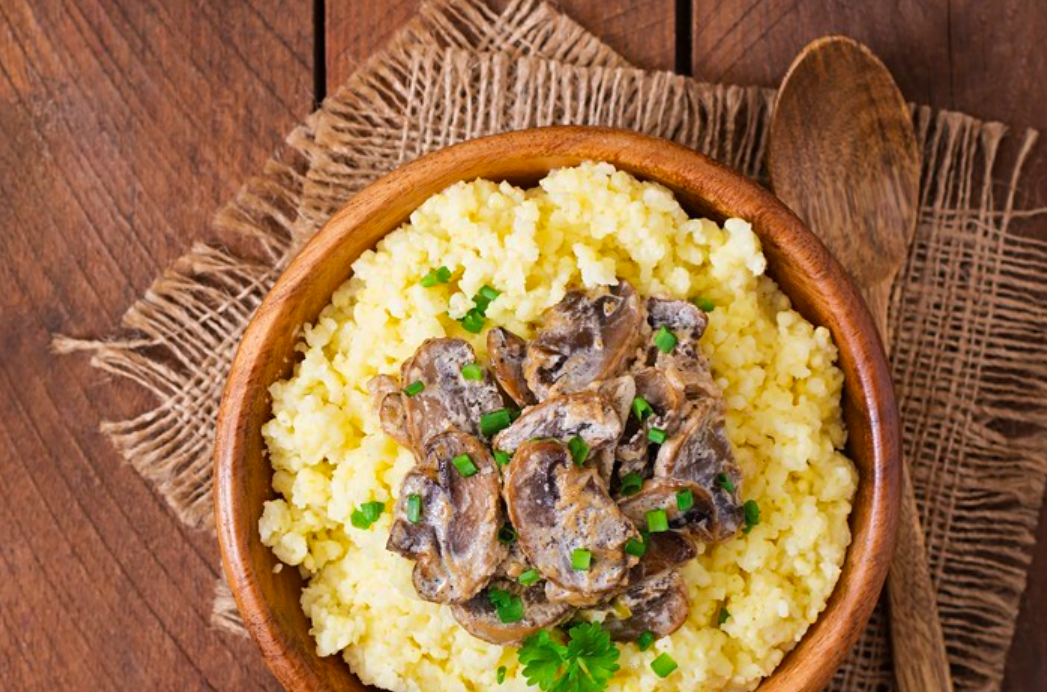
What you’ll learn: Creative ways to cook with microgreens and mushrooms. Nutritional highlights of each recipe (protein, fiber, vitamins). Cooking tips to preserve the nutrients in these superfoods. How these ingredients contribute to a balanced, healthful diet. Here is the practical recipes that spotlight microgreens and mushrooms. This blog includes a quick nutrient breakdown and tips to keep those vitamins intact! Use them at home to boost flavor and health in your meals. Spinach & Mushroom Omelette with Microgreen Garnish Ingredients (serves 2): 4 eggs, 1 cup fresh spinach, ½ cup sliced button mushrooms, ½ cup mixed microgreens (e.g. pea shoots, radish), 1 tbsp olive oil, salt & pepper. Instructions: Whisk eggs with a pinch of salt and pepper. Sauté mushrooms in olive oil over medium heat until tender (about 5 min). Add spinach and cook until wilted. Pour eggs over veggies, cook gently like an omelette. Fold and plate. Garnish generously with raw microgreens on top (they add crunch and nutrients). Nutrition Breakdown (per serving): ~200 calories, 15g protein, 4g fiber, rich in vitamins A, C, K, and iron. Eggs provide protein and choline for the brain, while mushrooms add B-vitaminspmc.ncbi.nlm.nih.gov. The raw microgreens on top deliver a big dose of vitamin C and antioxidantsagresearchmag.ars.usda.gov. Cooking Tip: To preserve vitamins in the microgreens, add them at the end and serve raw. Gentle cooking already maximizes mushroom vitamin D and B retentionpmc.ncbi.nlm.nih.gov. <div style=”text-align:center; font-style: italic;”> What you’ll learn: This omelette is an easy way to get protein from eggs and fiber from veggies. It shows how adding microgreens at the end boosts nutrients without overcooking. </div>

Fresh Microgreens Salad with Lemon Vinaigrette
Ingredients (serves 4): 4 cups mixed baby greens, 1 cup assorted microgreens (arugula, radish, sunflower shoots), ½ cup sliced radishes, ¼ cup nuts (almonds or walnuts), ¼ cup dried cranberries, Dressing: 3 tbsp olive oil, 1 tbsp lemon juice, 1 tsp honey, salt & pepper. Instructions: In a large bowl, toss the baby greens with microgreens, sliced radishes, nuts, and cranberries. Whisk dressing ingredients together and drizzle over salad just before serving. Gently toss to coat (microgreens add extra crunch and flavor). Nutrition Breakdown (per serving): ~150 calories, 3g protein, 5g fiber, high in vitamins A and C, plus healthy fats from olive oil and nuts. Leafy greens and microgreens provide fiber and antioxidantswho.intagresearchmag.ars.usda.gov, while nuts add protein and omega-3s. Cooking Tip: No cooking needed here! Fresh microgreens in salads keep all their vitamin C and enzymes intact. Serving immediately after dressing keeps the leaves crisp and nutrients high.
Microgreens: Nutrient Powerhouse for Urban Health
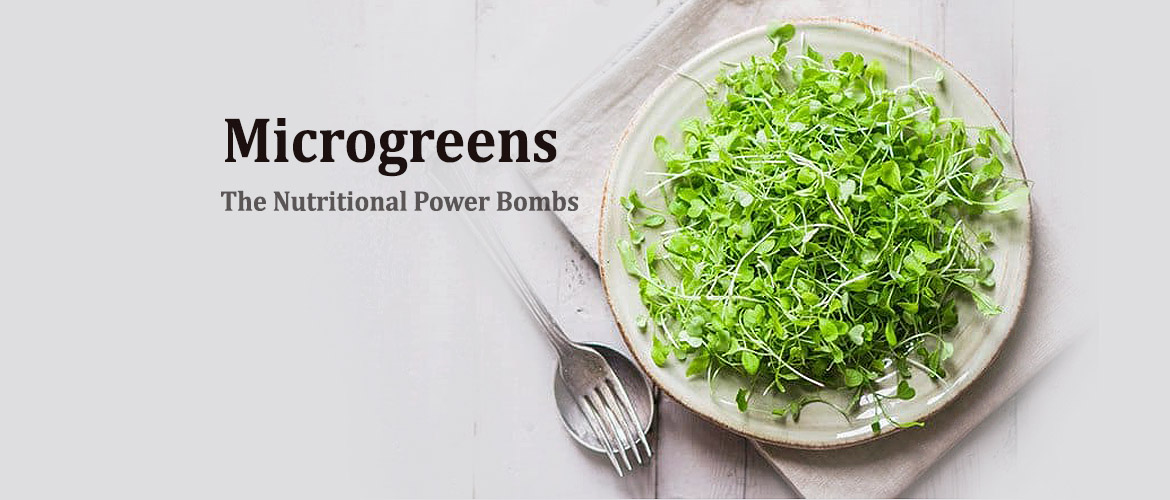
What you’ll learn: How microgreens compare nutritionally to mature vegetables. The sustainability and space-saving benefits of growing microgreens. Key vitamins and antioxidants in microgreens. Tips for incorporating microgreens into your diet for health and eco-friendly living. Microgreens are tiny leafy greens harvested just after the first leaves emerge. Don’t let their size fool you – these young plants pack a powerful nutritional punch. Research shows that microgreens often contain 2–5 times more vitamins, minerals, and antioxidants per weight than their mature counterpartspmc.ncbi.nlm.nih.govagresearchmag.ars.usda.gov. For example, one study found lettuce and cabbage microgreens had nearly three times the nutrient density of the full-grown plantspmc.ncbi.nlm.nih.gov, and USDA research reports microgreens can have up to 5× more vitamin C and carotenoids than the adult vegetablesagresearchmag.ars.usda.gov. This means adding a small amount of microgreens to your meals can significantly boost your vitamin and antioxidant intake. Microgreens are also champions of sustainability and urban farming. They grow in just 1–3 weeks, using far less water and space than full-sized crops. A recent study found microgreen production can use over 150 times less water than growing mature plantsjournaljsrr.com. No wonder they’re ideal for indoor or rooftop gardens in cities. Their quick growth cycle and low resource needs make microgreens a smart choice for eco-conscious gardeners and anyone with limited space. Besides vitamins C and E, many microgreens are rich in minerals and plant compounds. For instance, broccoli microgreens boast 10× more phenolic antioxidants than mature broccolipmc.ncbi.nlm.nih.gov. And mineral levels (like potassium, calcium, and iron) are consistently higher in microgreenspmc.ncbi.nlm.nih.gov. In practical terms, that means a garnish of red cabbage microgreens on your salad could deliver as much vitamin C as a full serving of the adult vegetable, plus extra antioxidants for freeagresearchmag.ars.usda.gov. Eating microgreens supports health in several ways: High in antioxidants: Neutralize free radicals and reduce inflammation (thanks to compounds like phenolics and anthocyanins)pmc.ncbi.nlm.nih.gov. Rich in vitamins: Many provide a potent dose of vitamins A, C, E, and K in a tiny servingagresearchmag.ars.usda.gov. Mineral boost: Concentrated minerals help everything from bone health to oxygen transportpmc.ncbi.nlm.nih.gov. Dietary fiber: Though small, some microgreens (e.g. pea shoots) contribute fiber to aid digestion. Growing microgreens at home is surprisingly easy and educational. You can sprout them on a sunny windowsill or balcony in shallow trays. Because they’re so compact, even a small kitchen or balcony can yield fresh greens year-round. This not only cuts down on food miles (less carbon footprint) but also gives you control over pesticide-free, organic growing. As an added benefit, cultivating a mini-garden can boost mental well-being – a topic we explore further in our Hope & Mindful Living blog. For inspiration, check out our Recipes blog for tasty ways to use microgreens in smoothies, salads, and sandwiches. Also see the Health & Fitness blog for more on nutrient-rich diets and how microgreens fit into a balanced meal plan.
Mushrooms: Nature’s Immune-Boosting Superfoods
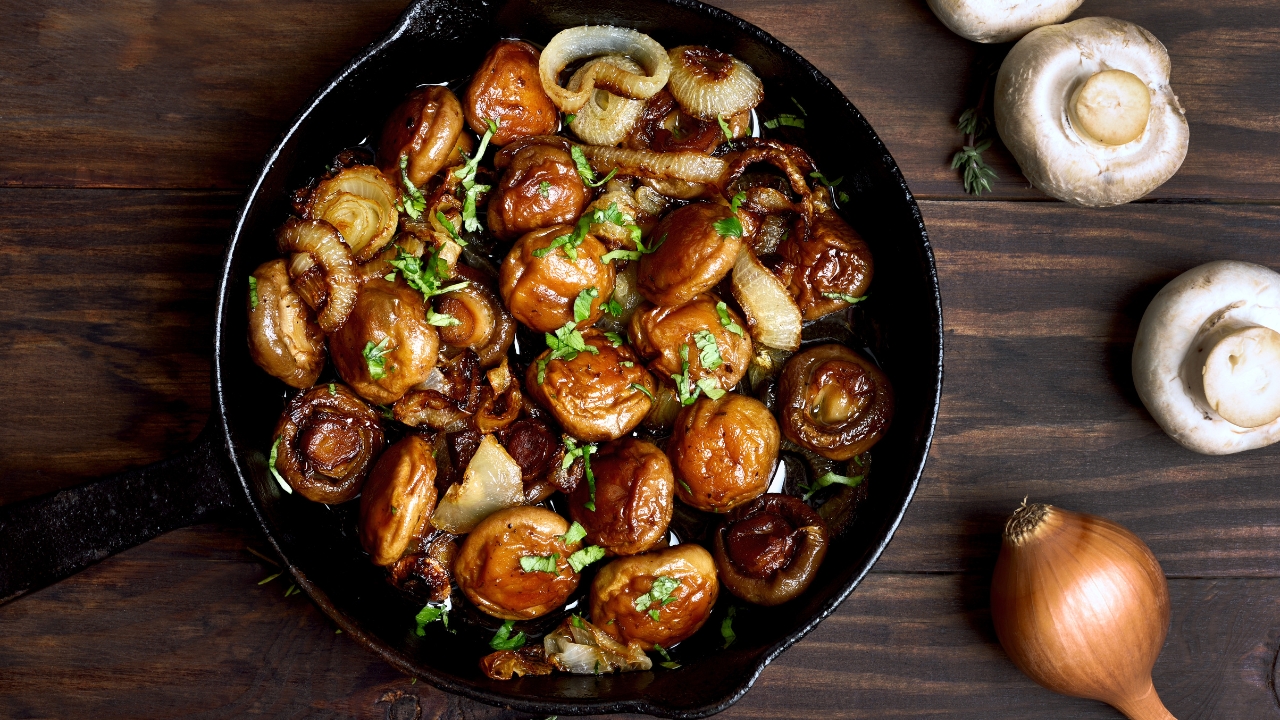
What you’ll learn: Key bioactive compounds in edible mushrooms (beta-glucans, ergothioneine). How mushrooms support the immune system and fight inflammation. The brain and gut health benefits of mushroom consumption. Ways to cook mushrooms to preserve their nutrients. Mushrooms have been prized in kitchens and medicine cabinets for centuries. Today science confirms mushrooms are more than just flavorful—they contain unique nutrients and compounds that boost our health. Common culinary varieties (shiitake, oyster, button) plus famed medicinal fungi (reishi, lion’s mane) offer a wealth of benefits. Nutritionally, mushrooms are low-calorie sources of fiber, protein, vitamins, and minerals. They’re one of the few plant foods rich in vitamin D when exposed to sunlight, and they supply B vitamins (riboflavin, niacin) and minerals like selenium. Importantly, mushrooms contain beta-glucan fiber (a type of prebiotic) and ergothioneine, a powerful antioxidant unique to fungipmc.ncbi.nlm.nih.govpmc.ncbi.nlm.nih.gov. These compounds are linked to immune and gut health: ergothioneine helps protect cells from oxidative stress, while beta-glucans feed beneficial gut bacteria and modulate immunitypmc.ncbi.nlm.nih.govpmc.ncbi.nlm.nih.gov. Immune Boosting: Mushrooms are celebrated for immune support. Beta-glucans in shiitake, maitake, and others activate immune cells and may improve resistance to infectionpmc.ncbi.nlm.nih.govpmc.ncbi.nlm.nih.gov. In fact, researchers note mushrooms contain bioactives that “strengthen the immune system, enhancing natural resistance and lowering disease risk”pmc.ncbi.nlm.nih.gov. Many cultures use mushroom extracts as natural immune boosters (e.g. reishi polysaccharides in Asia). Brain Health & Cognition: Emerging research suggests mushrooms benefit the brain. One large study found adults who ate mushrooms weekly scored higher on cognitive tests than non-eaterspmc.ncbi.nlm.nih.gov. Scientists think compounds in mushrooms may reduce brain inflammation and promote nerve growth. For instance, lion’s mane mushrooms contain hericenones that encourage production of nerve growth factor. According to a 2024 study, mushroom consumption is associated with “improved cognitive function” in aging populationspmc.ncbi.nlm.nih.gov. In practical terms, adding mushrooms to your diet could help memory and focus, especially as you age. Gut and Metabolic Health: Mushrooms act like prebiotics for your gut microbiome. The non-digestible fibers (beta-glucans and chitin) nourish friendly bacteria, helping balance digestionpmc.ncbi.nlm.nih.gov. A healthy gut flora is linked to better mood and immunity, so mushrooms support overall wellness through this pathway. They are also low in calories and fat while providing umami flavor, making them a smart substitute for meat or rich ingredients in recipes. Studies even tie regular mushroom intake to improved metabolism: a compound in mushrooms may help regulate cholesterol and blood sugarpmc.ncbi.nlm.nih.govpmc.ncbi.nlm.nih.gov. Cooking Tips: To preserve nutrients, avoid overcooking mushrooms. Sautéing or lightly roasting retains vitamins and antioxidants better than boiling. For a quick immune-boosting meal, try our Recipes blog’s mushroom soup or stir-fry. Adding mushrooms to your diet is easy: use them in omelettes, stir-fries, curries, or toss raw slices on salads. Aim for 2+ servings per week; research suggests this frequency supports brain and immune healthpmc.ncbi.nlm.nih.gov. Selected Research: A 2024 review highlights mushrooms’ unique elements: “ergothioneine…a unique antioxidant…with therapeutic potential”, and prebiotic fibers that “beneficially affect gut microbiota”pmc.ncbi.nlm.nih.gov. A U.S. health study showed that weekly mushroom eaters had about 20–30% lower risk of cognitive decline than non-eaterspmc.ncbi.nlm.nih.gov. Clinical trials of medicinal mushrooms (like reishi and turkey tail) consistently find improved immune markers and reduced inflammationpmc.ncbi.nlm.nih.gov. By incorporating mushrooms into your meals, you tap into these scientifically-backed benefits. For more tasty ideas, see our Recipes blog (e.g. mushroom risotto, lentil & mushroom curry). Also explore the Microgreens blog – combining both mushrooms and microgreens (like spinach microgreens with mushroom omelette) can double up on nutrients. And check Health & Fitness for how mushroom-rich diets can fit into an active lifestyle. Culinary and Medicinal Uses Mushrooms are incredibly versatile. In cooking, they add savory “umami” depth: try them in stir-fries, soups, or as burger toppers. Medicinally, supplements like reishi extract and cordyceps capsules are popular for extra immunity and energy. Even lion’s mane supplements are used by students and professionals for focus. Remember: whole-food mushrooms (fresh or dried) still provide major benefits, and they’re delicious with minimal salt or oil added. Conclusion From the kitchen to the lab, mushrooms prove themselves true superfoods. They enrich meals with flavor and provide unique nutrients that support immunity, brain health, and gut wellnesspmc.ncbi.nlm.nih.govpmc.ncbi.nlm.nih.gov. Whether you’re enjoying a warm mushroom soup or sipping a mushroom tea, you’re tapping into centuries of wisdom and modern science. Embrace mushrooms as part of a balanced diet and you’ll be nourishing your body at multiple levels. Hungry for more healthy-eating inspiration? Subscribe and explore our Recipes and Health blogs for creative ideas on using superfood ingredients (like mushrooms and microgreens) in your meals!
Medicinal Mushrooms Explained Simply Clearly
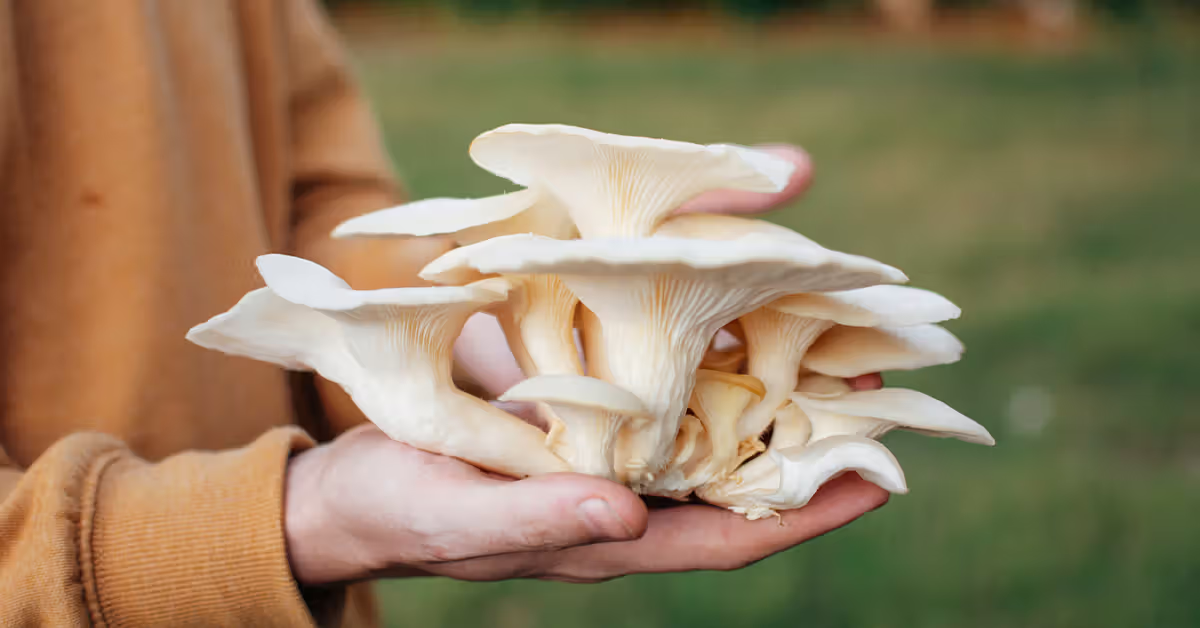
What you’ll learn: Key bioactive compounds, evidence for immune and cognitive effects, safe use, and selecting quality sources. What are medicinal mushrooms? ‘Mushrooms’ cover thousands of species, but a subset—often called medicinal or functional mushrooms—contains bioactive compounds studied for immune, cognitive, and metabolic effects. Key players include reishi (Ganoderma), lion’s mane (Hericium erinaceus), turkey tail (Trametes versicolor), and maitake (Grifola frondosa). These fungi contain polysaccharides (notably beta-glucans), unique antioxidants like ergothioneine, and small molecules that interact with human biology. citeturn0search4turn0search13 Key compounds and what they do – Beta-glucans: Complex polysaccharides that modulate immune responses—activating macrophages, NK cells, and improving immune readiness. Research demonstrates beta-glucans from mushrooms (including common Agaricus bisporus) can drive trained immunity in myeloid cells. citeturn0search4turn0search15– Ergothioneine (EGT): A unique antioxidant abundant in fungi; emerging research links higher EGT levels to neuroprotection, reduced oxidative stress, and potential benefits for aging brains. Recent reviews highlight ergothioneine’s cellular protective roles and research interest for cognition and longevity. citeturn0search2turn0search13– Hericenones and erinacines (lion’s mane): These compounds have been associated with nerve growth factor stimulation in preclinical models, prompting research into cognitive benefits. Clinical evidence is mixed—some studies show promising signals, while others find no acute cognitive boost—indicating more research is needed on dosing and duration. citeturn0search9turn0search14 Evidence for immune and cognitive benefits Clinical and preclinical data suggest mushroom compounds can support immune markers and may contribute to cognitive health over time. Randomized trials and mechanistic studies on beta-glucans and polysaccharide extracts show improved immune biomarkers, while population studies associate mushroom intake with better cognitive outcomes. Ergothioneine emerges as a candidate nutrient for neuroprotection, though large-scale human trials are still developing. citeturn0search15turn0search19 How to include medicinal mushrooms safely – Food first: Start with culinary mushrooms (shiitake, maitake, oyster) in meals to gain fiber, vitamins, and some bioactive compounds.– Supplements: If choosing extracts (reishi, turkey tail, lion’s mane), pick reputable brands with third-party testing. Dose recommendations vary—follow product guidance and consult a healthcare provider, especially if pregnant, nursing, or immunocompromised.– Cooking tips: Many mushroom compounds are heat-stable, but extraction (hot water extracts) is often used for polysaccharides; culinary use still delivers benefits alongside flavor. citeturn0search4 Safety and interactions Mushrooms are generally safe as foods. However, concentrated extracts can interact with medications (e.g., anticoagulants) or affect blood sugar; caution is advised for people with autoimmune conditions. Always inform healthcare providers about supplements. Quality matters: choose products with clear sourcing, COA (certificate of analysis), and standardized active contents whenever possible. citeturn0search8 Conclusion Medicinal mushrooms offer a blend of culinary pleasure and potential health benefits supported by growing scientific evidence. They are best integrated mindfully—through food and, where appropriate, well-chosen supplements—while staying informed about dosing and interactions. Explore our Recipes and Health & Fitness blogs for practical ways to include mushrooms in your meals and routines. Subscribe to receive updates and starter guides. Featured Image Idea: Assorted medicinal mushrooms arranged on a dark board to highlight textures. Supporting images: 1) mushroom supplement bottles with labels (Alt: mushroom supplements with clear labels); 2) hot water extract pouring into cup (Alt: mushroom tea being poured into cup); 3) close-up of fresh shiitake cluster (Alt: fresh shiitake mushrooms on wood).