
What you’ll learn:
- Key bioactive compounds in edible mushrooms (beta-glucans, ergothioneine).
- How mushrooms support the immune system and fight inflammation.
- The brain and gut health benefits of mushroom consumption.
- Ways to cook mushrooms to preserve their nutrients.
Mushrooms have been prized in kitchens and medicine cabinets for centuries. Today science confirms mushrooms are more than just flavorful—they contain unique nutrients and compounds that boost our health. Common culinary varieties (shiitake, oyster, button) plus famed medicinal fungi (reishi, lion’s mane) offer a wealth of benefits.
Nutritionally, mushrooms are low-calorie sources of fiber, protein, vitamins, and minerals. They’re one of the few plant foods rich in vitamin D when exposed to sunlight, and they supply B vitamins (riboflavin, niacin) and minerals like selenium. Importantly, mushrooms contain beta-glucan fiber (a type of prebiotic) and ergothioneine, a powerful antioxidant unique to fungipmc.ncbi.nlm.nih.govpmc.ncbi.nlm.nih.gov. These compounds are linked to immune and gut health: ergothioneine helps protect cells from oxidative stress, while beta-glucans feed beneficial gut bacteria and modulate immunitypmc.ncbi.nlm.nih.govpmc.ncbi.nlm.nih.gov.
Immune Boosting: Mushrooms are celebrated for immune support. Beta-glucans in shiitake, maitake, and others activate immune cells and may improve resistance to infectionpmc.ncbi.nlm.nih.govpmc.ncbi.nlm.nih.gov. In fact, researchers note mushrooms contain bioactives that “strengthen the immune system, enhancing natural resistance and lowering disease risk”pmc.ncbi.nlm.nih.gov. Many cultures use mushroom extracts as natural immune boosters (e.g. reishi polysaccharides in Asia).
Brain Health & Cognition: Emerging research suggests mushrooms benefit the brain. One large study found adults who ate mushrooms weekly scored higher on cognitive tests than non-eaterspmc.ncbi.nlm.nih.gov. Scientists think compounds in mushrooms may reduce brain inflammation and promote nerve growth. For instance, lion’s mane mushrooms contain hericenones that encourage production of nerve growth factor. According to a 2024 study, mushroom consumption is associated with “improved cognitive function” in aging populationspmc.ncbi.nlm.nih.gov. In practical terms, adding mushrooms to your diet could help memory and focus, especially as you age.
Gut and Metabolic Health: Mushrooms act like prebiotics for your gut microbiome. The non-digestible fibers (beta-glucans and chitin) nourish friendly bacteria, helping balance digestionpmc.ncbi.nlm.nih.gov. A healthy gut flora is linked to better mood and immunity, so mushrooms support overall wellness through this pathway. They are also low in calories and fat while providing umami flavor, making them a smart substitute for meat or rich ingredients in recipes. Studies even tie regular mushroom intake to improved metabolism: a compound in mushrooms may help regulate cholesterol and blood sugarpmc.ncbi.nlm.nih.govpmc.ncbi.nlm.nih.gov.
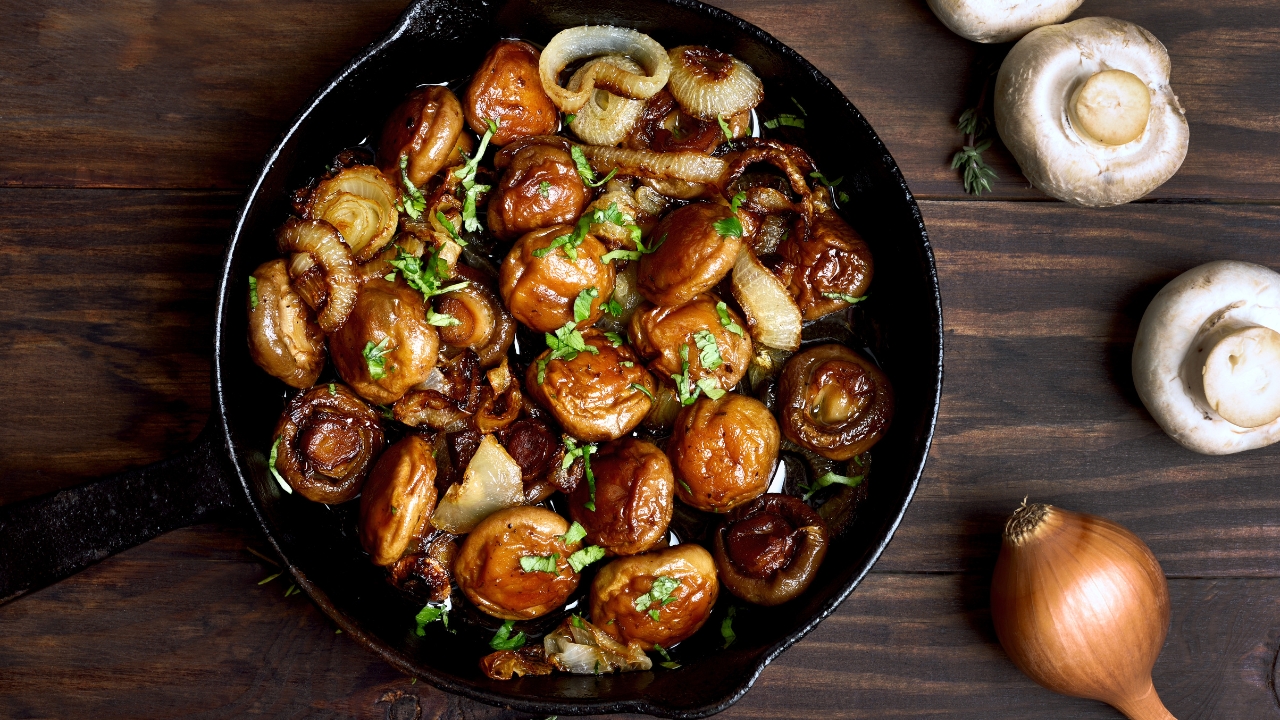
Cooking Tips: To preserve nutrients, avoid overcooking mushrooms. Sautéing or lightly roasting retains vitamins and antioxidants better than boiling. For a quick immune-boosting meal, try our Recipes blog’s mushroom soup or stir-fry. Adding mushrooms to your diet is easy: use them in omelettes, stir-fries, curries, or toss raw slices on salads. Aim for 2+ servings per week; research suggests this frequency supports brain and immune healthpmc.ncbi.nlm.nih.gov.
Selected Research:
- A 2024 review highlights mushrooms’ unique elements: “ergothioneine…a unique antioxidant…with therapeutic potential”, and prebiotic fibers that “beneficially affect gut microbiota”pmc.ncbi.nlm.nih.gov.
- A U.S. health study showed that weekly mushroom eaters had about 20–30% lower risk of cognitive decline than non-eaterspmc.ncbi.nlm.nih.gov.
- Clinical trials of medicinal mushrooms (like reishi and turkey tail) consistently find improved immune markers and reduced inflammationpmc.ncbi.nlm.nih.gov.
By incorporating mushrooms into your meals, you tap into these scientifically-backed benefits. For more tasty ideas, see our Recipes blog (e.g. mushroom risotto, lentil & mushroom curry). Also explore the Microgreens blog – combining both mushrooms and microgreens (like spinach microgreens with mushroom omelette) can double up on nutrients. And check Health & Fitness for how mushroom-rich diets can fit into an active lifestyle.
Culinary and Medicinal Uses
Mushrooms are incredibly versatile. In cooking, they add savory “umami” depth: try them in stir-fries, soups, or as burger toppers. Medicinally, supplements like reishi extract and cordyceps capsules are popular for extra immunity and energy. Even lion’s mane supplements are used by students and professionals for focus. Remember: whole-food mushrooms (fresh or dried) still provide major benefits, and they’re delicious with minimal salt or oil added.
Conclusion
From the kitchen to the lab, mushrooms prove themselves true superfoods. They enrich meals with flavor and provide unique nutrients that support immunity, brain health, and gut wellnesspmc.ncbi.nlm.nih.govpmc.ncbi.nlm.nih.gov. Whether you’re enjoying a warm mushroom soup or sipping a mushroom tea, you’re tapping into centuries of wisdom and modern science. Embrace mushrooms as part of a balanced diet and you’ll be nourishing your body at multiple levels.
Hungry for more healthy-eating inspiration? Subscribe and explore our Recipes and Health blogs for creative ideas on using superfood ingredients (like mushrooms and microgreens) in your meals!