
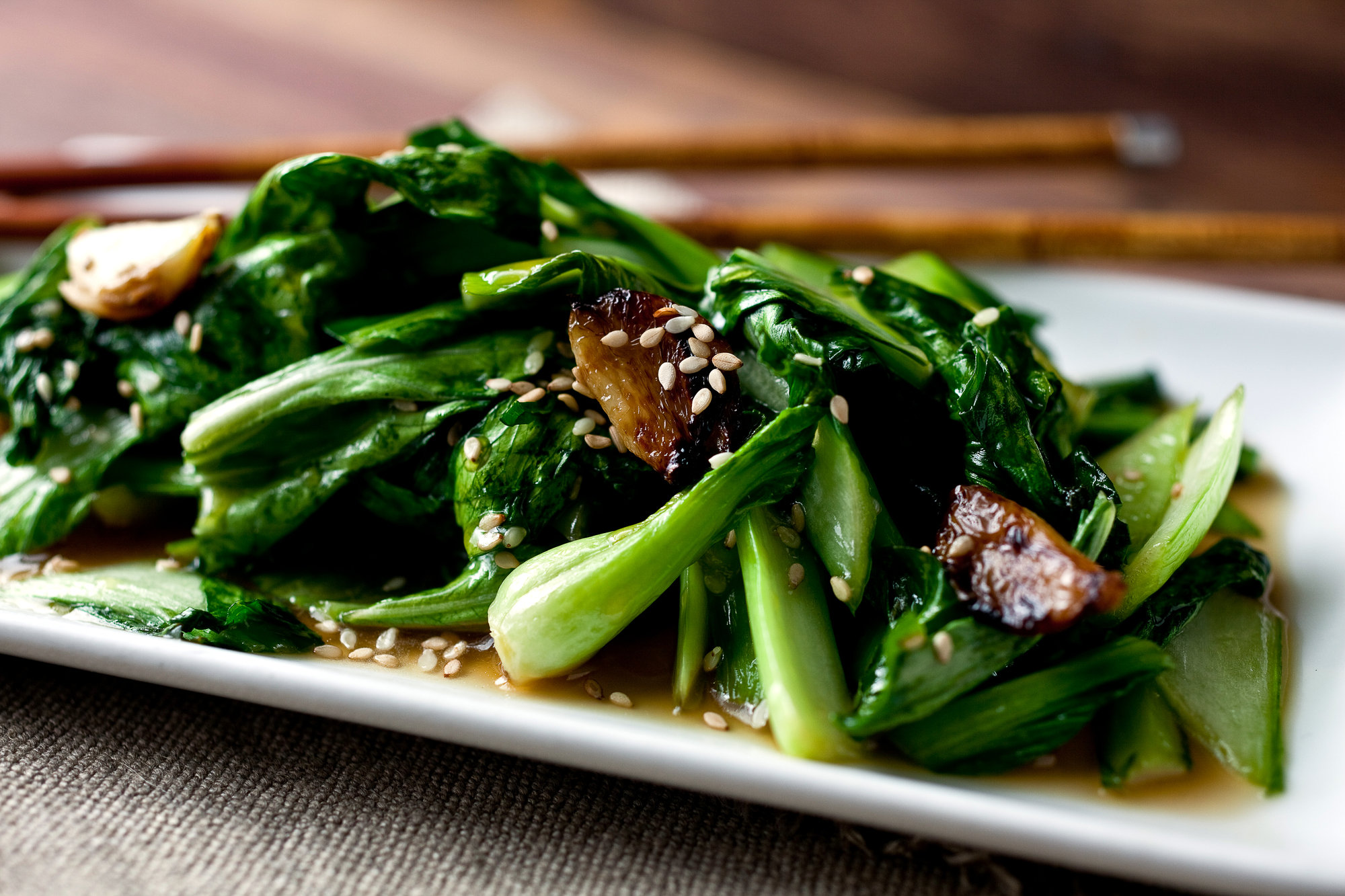
Ingredients (serves 2): 1 tbsp sesame oil, 1 cup sliced shiitake mushrooms, 1 cup broccoli florets, ½ cup sliced carrots, 1 garlic clove (minced), 1 tsp grated ginger, 2 tbsp soy sauce, 1 tsp honey, 2 tbsp microgreens (optional garnish).
Instructions:
- Heat oil in a skillet over medium-high heat. Add garlic and ginger, sauté 30s.
- Add mushrooms, broccoli, and carrots. Stir-fry 5–7 min until veggies are tender-crisp.
- Mix soy sauce and honey; pour into pan, stir to coat veggies. Cook 1 more min.
- Plate the stir-fry and top with fresh microgreens for color and extra nutrition.
Nutrition Breakdown (per serving): ~180 calories, 7g protein, 6g fiber, rich in B-vitamins and minerals. Mushrooms contribute vitamin D and seleniumpmc.ncbi.nlm.nih.gov; broccoli adds vitamin C; microgreens add extra antioxidantspmc.ncbi.nlm.nih.gov. This dish is balanced in macros and micronutrients.
Cooking Tip: Quick stir-frying is great for nutrient retention. The high heat cooks veggies fast, so vitamins are preserved better than slow boilingpmc.ncbi.nlm.nih.gov. Adding microgreens at the end as garnish infuses a fresh, zesty note without losing any nutrients.
Each recipe above weaves microgreens or mushrooms into familiar dishes. For more creative ideas, check our Recipes blog and the Microgreens and Mushrooms blogs linked above.
Conclusion
Microgreens and mushrooms can upgrade almost any meal into a healthful experience. These recipes illustrate how easy it is: add a handful of microgreens or a cup of mushrooms to your favorite dish and you’re boosting nutrients significantly. Remember to cook gently (steam, sauté, or eat fresh) to keep vitamins intactpmc.ncbi.nlm.nih.gov. By choosing recipes like these, you’re nourishing your body with fiber, protein, and antioxidantsagresearchmag.ars.usda.govpmc.ncbi.nlm.nih.gov.
Give these recipes a try and enjoy how delicious healthy cooking can be! Subscribe for more recipes and nutrition tips, and explore our other blogs for related content on whole-food living