
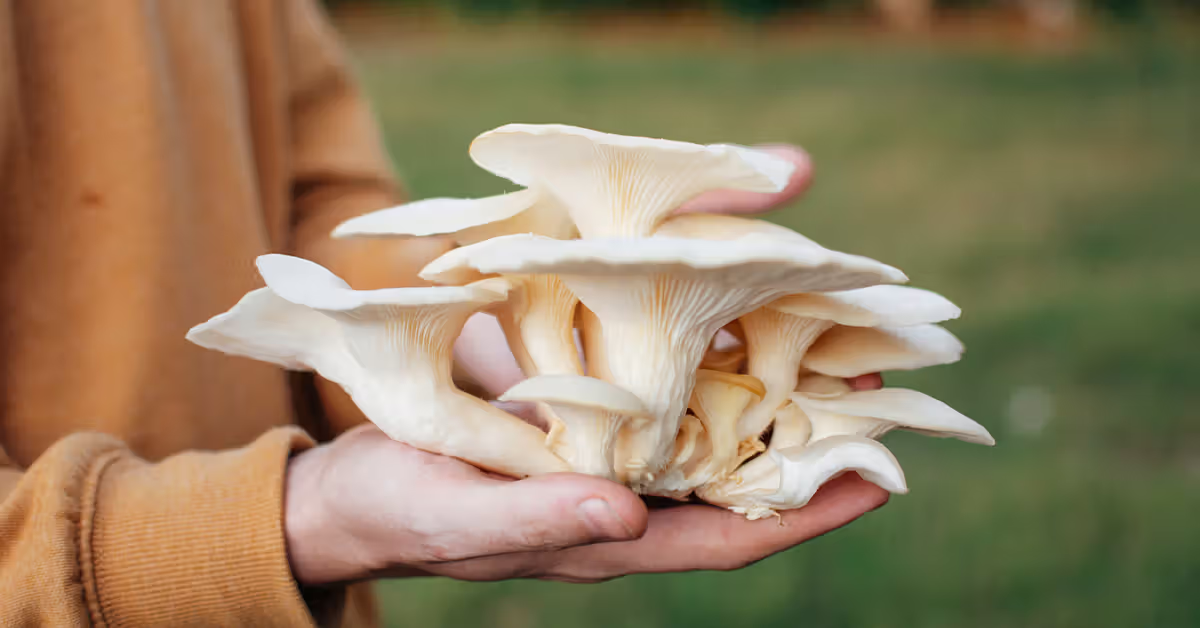
What you’ll learn: Key bioactive compounds, evidence for immune and cognitive effects, safe use, and selecting quality sources.
What are medicinal mushrooms?
‘Mushrooms’ cover thousands of species, but a subset—often called medicinal or functional mushrooms—contains bioactive compounds studied for immune, cognitive, and metabolic effects. Key players include reishi (Ganoderma), lion’s mane (Hericium erinaceus), turkey tail (Trametes versicolor), and maitake (Grifola frondosa). These fungi contain polysaccharides (notably beta-glucans), unique antioxidants like ergothioneine, and small molecules that interact with human biology. citeturn0search4turn0search13
Key compounds and what they do
– Beta-glucans: Complex polysaccharides that modulate immune responses—activating macrophages, NK cells, and improving immune readiness. Research demonstrates beta-glucans from mushrooms (including common Agaricus bisporus) can drive trained immunity in myeloid cells. citeturn0search4turn0search15
– Ergothioneine (EGT): A unique antioxidant abundant in fungi; emerging research links higher EGT levels to neuroprotection, reduced oxidative stress, and potential benefits for aging brains. Recent reviews highlight ergothioneine’s cellular protective roles and research interest for cognition and longevity. citeturn0search2turn0search13
– Hericenones and erinacines (lion’s mane): These compounds have been associated with nerve growth factor stimulation in preclinical models, prompting research into cognitive benefits. Clinical evidence is mixed—some studies show promising signals, while others find no acute cognitive boost—indicating more research is needed on dosing and duration. citeturn0search9turn0search14
Evidence for immune and cognitive benefits
Clinical and preclinical data suggest mushroom compounds can support immune markers and may contribute to cognitive health over time. Randomized trials and mechanistic studies on beta-glucans and polysaccharide extracts show improved immune biomarkers, while population studies associate mushroom intake with better cognitive outcomes. Ergothioneine emerges as a candidate nutrient for neuroprotection, though large-scale human trials are still developing. citeturn0search15turn0search19
How to include medicinal mushrooms safely
– Food first: Start with culinary mushrooms (shiitake, maitake, oyster) in meals to gain fiber, vitamins, and some bioactive compounds.
– Supplements: If choosing extracts (reishi, turkey tail, lion’s mane), pick reputable brands with third-party testing. Dose recommendations vary—follow product guidance and consult a healthcare provider, especially if pregnant, nursing, or immunocompromised.
– Cooking tips: Many mushroom compounds are heat-stable, but extraction (hot water extracts) is often used for polysaccharides; culinary use still delivers benefits alongside flavor. citeturn0search4
Safety and interactions
Mushrooms are generally safe as foods. However, concentrated extracts can interact with medications (e.g., anticoagulants) or affect blood sugar; caution is advised for people with autoimmune conditions. Always inform healthcare providers about supplements. Quality matters: choose products with clear sourcing, COA (certificate of analysis), and standardized active contents whenever possible. citeturn0search8
Conclusion
Medicinal mushrooms offer a blend of culinary pleasure and potential health benefits supported by growing scientific evidence. They are best integrated mindfully—through food and, where appropriate, well-chosen supplements—while staying informed about dosing and interactions. Explore our Recipes and Health & Fitness blogs for practical ways to include mushrooms in your meals and routines. Subscribe to receive updates and starter guides.
Featured Image Idea: Assorted medicinal mushrooms arranged on a dark board to highlight textures. Supporting images: 1) mushroom supplement bottles with labels (Alt: mushroom supplements with clear labels); 2) hot water extract pouring into cup (Alt: mushroom tea being poured into cup); 3) close-up of fresh shiitake cluster (Alt: fresh shiitake mushrooms on wood).