
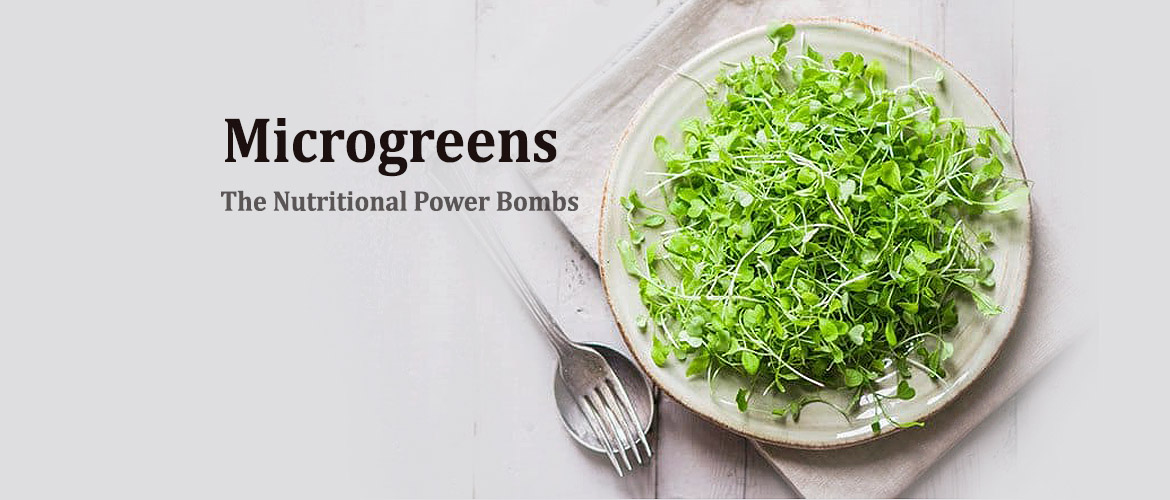
What you’ll learn:
- How microgreens compare nutritionally to mature vegetables.
- The sustainability and space-saving benefits of growing microgreens.
- Key vitamins and antioxidants in microgreens.
- Tips for incorporating microgreens into your diet for health and eco-friendly living.
Microgreens are tiny leafy greens harvested just after the first leaves emerge. Don’t let their size fool you – these young plants pack a powerful nutritional punch. Research shows that microgreens often contain 2–5 times more vitamins, minerals, and antioxidants per weight than their mature counterpartspmc.ncbi.nlm.nih.govagresearchmag.ars.usda.gov. For example, one study found lettuce and cabbage microgreens had nearly three times the nutrient density of the full-grown plantspmc.ncbi.nlm.nih.gov, and USDA research reports microgreens can have up to 5× more vitamin C and carotenoids than the adult vegetablesagresearchmag.ars.usda.gov. This means adding a small amount of microgreens to your meals can significantly boost your vitamin and antioxidant intake.
Microgreens are also champions of sustainability and urban farming. They grow in just 1–3 weeks, using far less water and space than full-sized crops. A recent study found microgreen production can use over 150 times less water than growing mature plantsjournaljsrr.com. No wonder they’re ideal for indoor or rooftop gardens in cities. Their quick growth cycle and low resource needs make microgreens a smart choice for eco-conscious gardeners and anyone with limited space.
Besides vitamins C and E, many microgreens are rich in minerals and plant compounds. For instance, broccoli microgreens boast 10× more phenolic antioxidants than mature broccolipmc.ncbi.nlm.nih.gov. And mineral levels (like potassium, calcium, and iron) are consistently higher in microgreenspmc.ncbi.nlm.nih.gov. In practical terms, that means a garnish of red cabbage microgreens on your salad could deliver as much vitamin C as a full serving of the adult vegetable, plus extra antioxidants for freeagresearchmag.ars.usda.gov.
Eating microgreens supports health in several ways:
- High in antioxidants: Neutralize free radicals and reduce inflammation (thanks to compounds like phenolics and anthocyanins)pmc.ncbi.nlm.nih.gov.
- Rich in vitamins: Many provide a potent dose of vitamins A, C, E, and K in a tiny servingagresearchmag.ars.usda.gov.
- Mineral boost: Concentrated minerals help everything from bone health to oxygen transportpmc.ncbi.nlm.nih.gov.
- Dietary fiber: Though small, some microgreens (e.g. pea shoots) contribute fiber to aid digestion.
Growing microgreens at home is surprisingly easy and educational. You can sprout them on a sunny windowsill or balcony in shallow trays. Because they’re so compact, even a small kitchen or balcony can yield fresh greens year-round. This not only cuts down on food miles (less carbon footprint) but also gives you control over pesticide-free, organic growing. As an added benefit, cultivating a mini-garden can boost mental well-being – a topic we explore further in our Hope & Mindful Living blog.
For inspiration, check out our Recipes blog for tasty ways to use microgreens in smoothies, salads, and sandwiches. Also see the Health & Fitness blog for more on nutrient-rich diets and how microgreens fit into a balanced meal plan.